

The Sustainable Darkroom
Cinematic Surfaces: From Print to Film
Cinematic Surfaces: From Print to Film
Couldn't load pickup availability
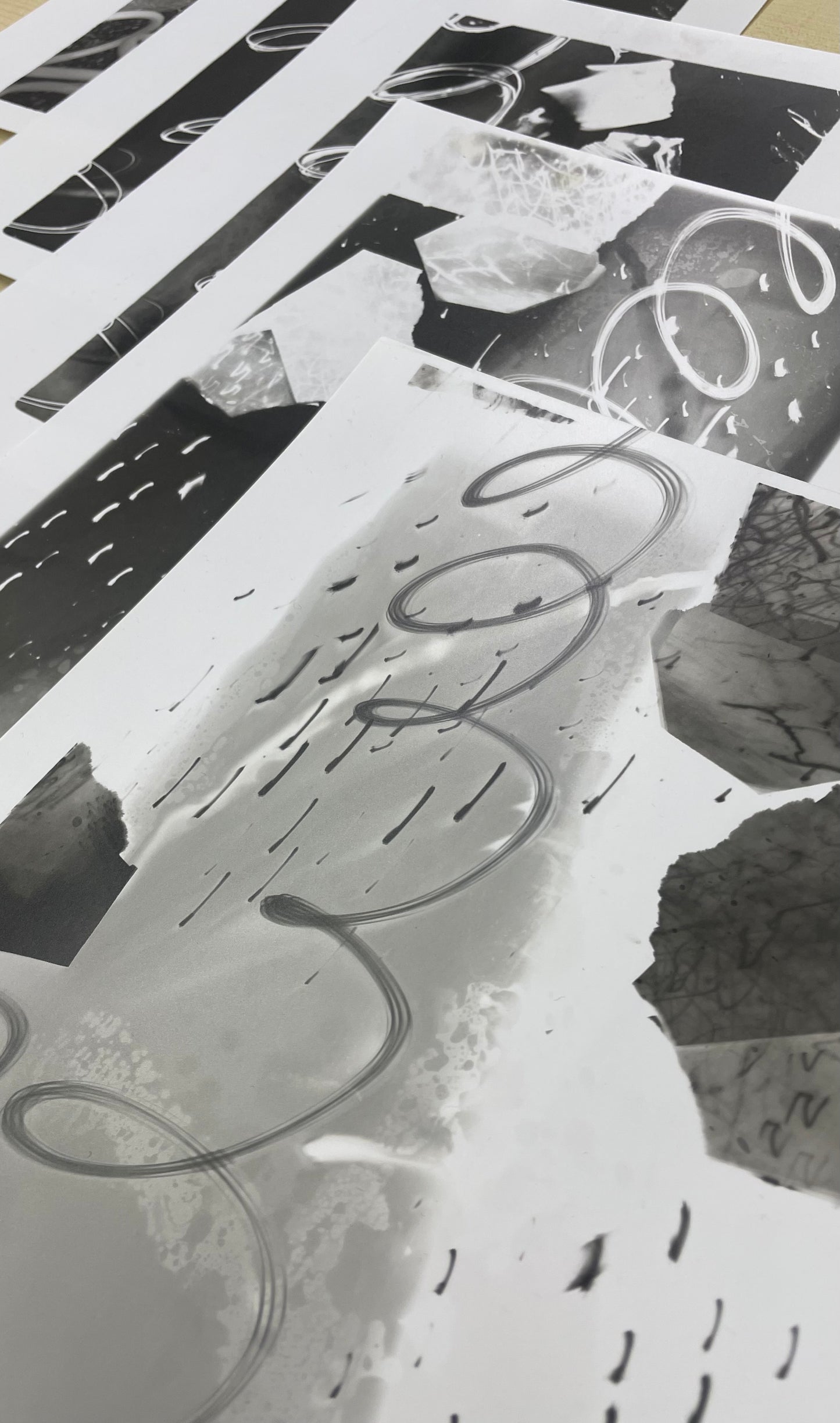
A three-part course combining printmaking and animation approaches with cameraless cinema techniques. Considering the film base as a surface in an ecological context, led by Lewis Heriz.
This is a three-part, online workshop led by Lewis Heriz taking place over the following dates in 2026: 7th, 14th & 21st April, 6-8pm (BST).
In this course, we will work with photochemical paper and cinefilm across handmade, cameraless and direct animation processes. We will layer techniques directly upon these surfaces, and relate the marks to movement. Participants will consider photographs as part of a sequence of frames, and the film base as a continuous surface as opposed to a sequence of frames. Through this contextual reframing of cinefilm, you will work to produce a short experimental film loop.
Note about experience level:
This course is suitable for those new to analogue animation, but in order to follow along with the practical exercises and self-directed tasks, participants should have some knowledge and experience of working with analogue photography, ideally having spent time in a darkroom. Access to a fully blacked-out room is important but not essential, as some of the techniques can be done in light. It will make for a narrower experience and range of outcomes, however. Participants will take responsibility for scanning or screening their 16mm film strips, but a very lo-fi DIY approach to scanning with a phone will be demonstrated to get a sense of the movement.
Tools and facilties:
- A darkroom area (eg. darkroom tent or a bathroom or shed that can be darkened), with a surface for messy work
- 3+ reel dev tank, or bucket in darkroom (for 16mm film)
- 3 x Developing trays (for photographic paper)
- 1 x long / large piece of glass, plexiglas or acetate sheet
- 1 x small hand torch
- various paintbrushes, sponges, anything you already have that can make marks with liquid
- 1 x craft knife or skalpel
- Masking tape
- Plain paper or card, no bigger than A5, no smaller than post-it note, but at least 12 sheets of the same size.
- Thin but hard flat transparent plastic waste, such as product packaging. For image/print registration
- A thermometer
- pH paper / litmus paper
- Weighing scales
- Measuring cylinders, 300ml to 1L
- Gloves (we recommend reusable nitrile gloves)
- An apron / lab coat or old clothes
- Stop Motion App for smartphone
Materials:
- Around 50ft of B&W 16mm Kodak 3378e sound film (which can be worked with under red light) - you can buy this from us here.
- Photographic paper, at least 20 sheets of 6x8. Expired stock fine (and encouraged)
- Powdered vitamin c
- Sodium carbonate
- Cheap instant coffee OR plant extraction (if you have experience with plant based developers)
- Acess to water: tap water or rain water
- Photographic fixer (avoid rapid and hardening fixers)
- Assorted items for photograms: anything that creates an interesting shadow at a scale similar to the paper or film. (eg. paper cutouts, small plant material, paper clips, grains, thread, etc)
- Assorted substances for chemigrams (eg. grains/ powders from the kitchen or garden such as sugar, herbs, spices, soil, tea. As well as anything that is foamy, sticky, waxy or oily such as soap, wax, oil, clay, vaseline, paper-based tapes)
- Opaque sheets of card or other material for masking
Session 1 - The Dynamic Surface (7th April)
Beginning with a short discussion of the reading material and references supplied before the workshop, this session will establish the basics of animation techniques and technologies through practical exercises using paper. We will then look at how we might apply these techniques to photographic paper. Working without a camera, we will discuss the relationship between stability and chaos in animation, and how we can work with both to create a short loop that we can animate on a smartphone or computer, or even manually.
Session 2 – Manual Cinematics (14th April)
In this session, we will review your photographic animation frames and any animations made from them. Taking time to step back and look at what we have to work with and how we can turn ‘failures’ or ‘mistakes’ into agency and choice.
We will then look at the throughline from this form of animation to cinefilm, discussing its unique characteristics in the context of handmade approaches to cinema, sometimes referred to as ‘Process Cinema’. Considering how Process Cinema enables us to connect with our environment (including humans and more-than-humans), our own physicality, and the relationship between them all.
We will work together on our film strips, applying drawing, printmaking and animation thinking to cinefilm without the camera.
Session 3 – Integrated Approaches (21st April)
In this session, we will refine the techniques learnt over the past 2 weeks, developing them towards specific projects and expanded cinema experiences. We will address the managing of any waste materials and chemistry generated throughout the weeks.
------
We can accommodate access needs if you get in touch in advance.
For concessionary tickets, at 20% discount, please email us. (sustainabledarkroom@gmail.com)
Share